
American Heart Month: Tips for a Healthy Heart
February marks as the American Heart Health Month, a time dedicated to raising awareness about heart health which is still the leading cause of cardiovascular disease in the United States. This month serves as a important reminder to take proactive steps towards maintaining a healthy heart through lifestyle choices, early detection, and education. Whether you’re young or older, heart health is a lifelong priority for everyone.

Why Heart Health Matters:
Heart disease often develops quietly, without obvious warning signs, until it becomes serious. At Culver Primary, we help identify risk factors like high blood pressure, high cholesterol, diabetes, stress, and weight concerns early, before they turn into bigger problems. With proactive screening, personalized guidance, and ongoing support from our primary care team, many heart disease risks can be managed—or even prevented—through early detection and sustainable lifestyle changes.
Tips for a Healthy Heart:
Eat a Heart-Healthy Diet
Focus on fruits, vegetables, whole grains, lean proteins, and healthy fats.
Limit processed foods, added sugars, and high sodium options.
Incorporate omega-3 rich foods, like salmon and walnuts, to support heart health.
Stay Physically Active
Aim for at least 150 minutes of moderate exercise per week, such as walking, cycling, or swimming.
Include strength training at least twice a week to improve overall cardiovascular fitness.
Monitor Your Blood Pressure and Cholesterol
Regular check-ups allow your doctor to catch issues early.
Maintaining healthy blood pressure and cholesterol levels is crucial in reducing heart disease risk.
Manage Stress and Prioritize Mental Health
Chronic stress can negatively affect your heart.
Practice relaxation techniques, mindfulness, or hobbies that help you unwind.
Avoid Tobacco and Limit Alcohol
Smoking is a leading contributor to heart disease quitting greatly reduces your risk.
Consume alcohol in moderation or avoid it altogether.
Get Regular Sleep
Aim for 7–9 hours of quality sleep each night.
Poor sleep can increase blood pressure, obesity, and other heart risk factors.
How Culver Primary Supports Your Heart Health?
At Culver Primary, we deliver comprehensive, relationship-based preventive care, combining heart health screenings, personalized lifestyle guidance, and ongoing chronic condition management. Our provider partners with you to create a plan that fits your life, supports lasting habits, and helps keep your heart strong for the long run.
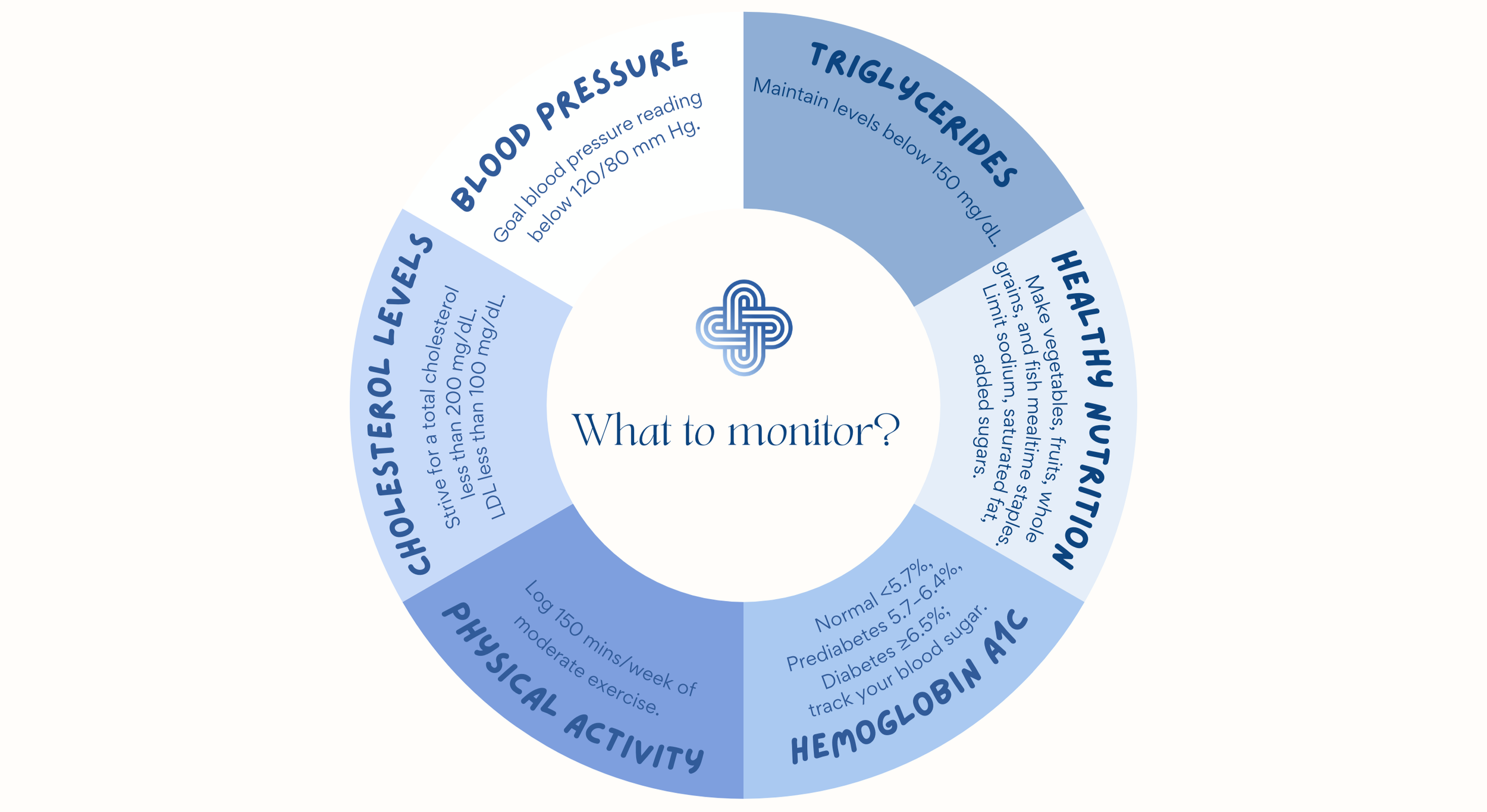
Blood pressure: Regular blood pressure screenings usually start in childhood. You should have a blood pressure test performed at least once every two years to screen for high blood pressure as a risk factor for heart disease and stroke, starting at age 18. Optimal blood pressure is less than 120/80 millimeters of mercury (mm Hg).
Cholesterol levels: Adults should generally have their cholesterol measured at least once every five years starting at age 18. Earlier testing may be recommended if you have other risk factors, such as a family history of early-onset heart disease.
Diabetes screening: Since diabetes is a risk factor for developing heart disease, you may want to consider being screened for diabetes. Talk to your us about when you should have a fasting blood sugar test or hemoglobin A1C test to check for diabetes.
American Heart Health Month is the perfect time to take action. Small, consistent changes like adding more vegetables to your meals, walking daily, or scheduling a check-up can make a big difference in your heart health. Your heart is central to your life, and taking care of it today helps ensure a healthier tomorrow.
Need Guidance?
Take the first step today. Schedule your heart health check-up at Culver Primary today! Together, we can help you live a heart-healthy life.
Keywords: Heart health, cardiovascular health, routine checkups, preventative care, diabetes.
